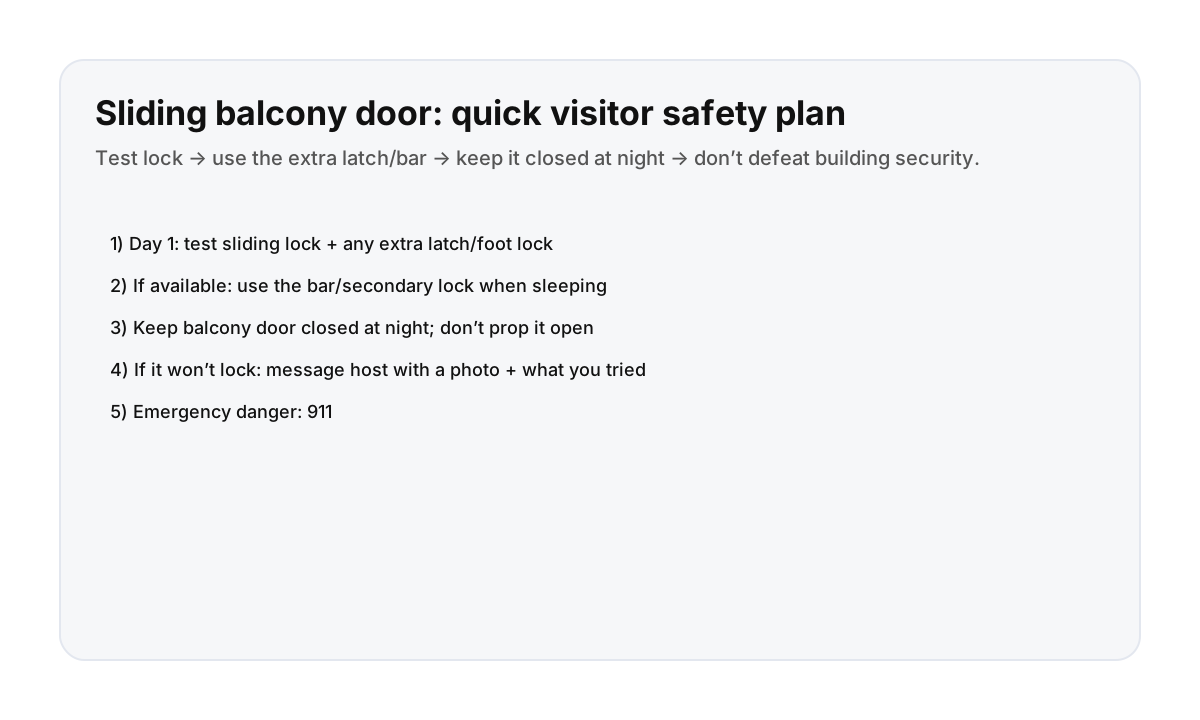

Day 1 checklist: secure the balcony door in 2 minutes
- Close firmly: sliding doors often need a firm close to align the latch.
- Test the main lock: lock/unlock a few times to learn the “feel.”
- Find any secondary lock: latch, foot lock, or a bar/track stop.
- Night habit: use the secondary lock when sleeping.
- Photo + note: take a quick photo of the lock type (helps if you need support later).
Visitor guidance only. Follow any building/host rules about balcony use and door safety.
Common lock types you might see
- Handle latch: locks via the handle mechanism (most common).
- Secondary latch/foot lock: an extra latch that reduces sliding movement.
- Bar/track stop: a removable bar placed in the track to prevent opening.
Simple night safety habits (what actually works)
- Keep the balcony door closed at night; don’t prop it open.
- Use curtains/blinds so the interior isn’t fully visible from outside.
- Don’t leave valuables by the balcony door.
If it won’t lock (best message to your host)
Send:
- Photo of the handle/lock and the door alignment
- “Door won’t lock when closed; tried firm close + lifting/pushing handle; still no latch.”
- Time you noticed it (so they can plan a fix)
When it’s urgent
If you believe someone is trying to enter, or you feel in immediate danger, get to a safe place and call 911.
Direct booking makes “small fixes” faster
Small apartment issues are easiest when support is responsive. Direct booking helps keep communication quick and straightforward.
FAQ
Should I leave the balcony door open at night?
No. Close it at night and use the strongest lock available (secondary latch or bar if provided).
Why won’t my sliding door lock?
Often it’s alignment: the door needs a firm close to engage the latch. If it still won’t lock, message your host with a photo for a proper fix.
What’s the best extra lock?
A secondary latch or a bar/track stop is often the most effective because it physically prevents sliding.