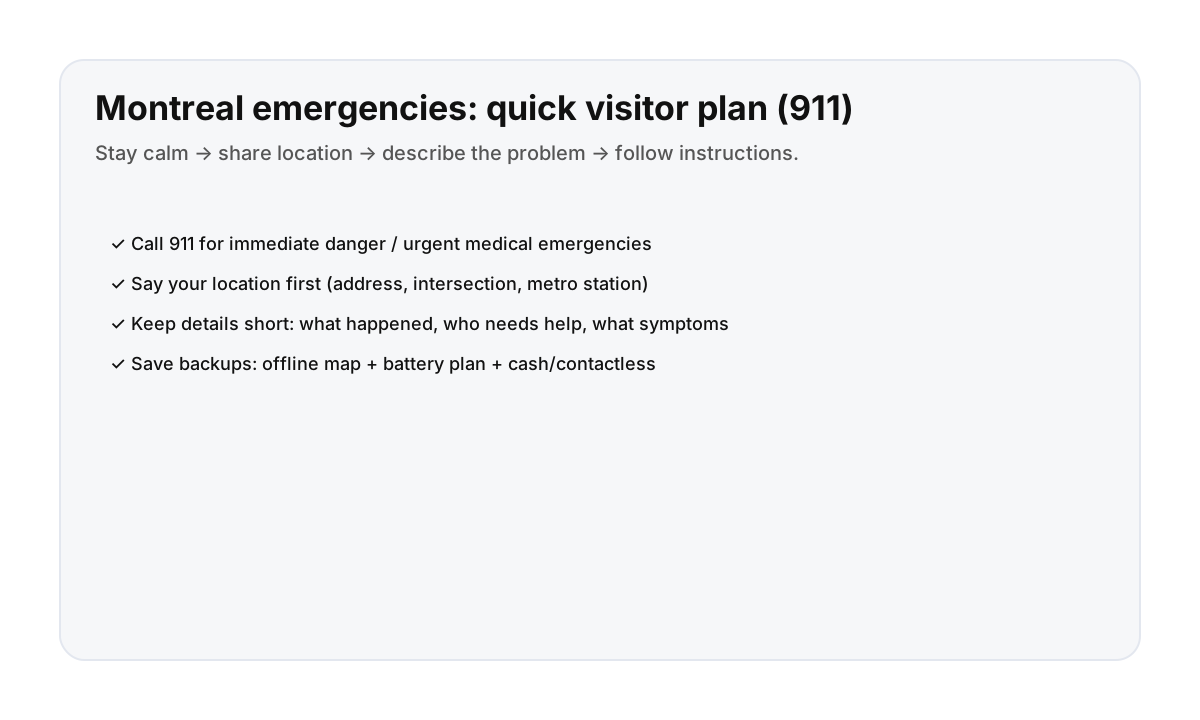

What to do in the moment (simple checklist)
- Call 911 if there’s immediate danger, a medical emergency, or a serious crime in progress.
- Say your location first: address, intersection, landmark, or the metro station name.
- Describe the problem briefly: what happened, who needs help, key symptoms, and any immediate risks.
- Follow instructions and stay on the line if asked.
- After: get somewhere safe and keep your plan simple.
This is practical travel guidance, not legal or medical advice.
Fast “backup” setup (helps in stressful moments)
- Offline map: so you can still navigate if data drops.
- Battery plan: keep your phone alive (power bank, low-power mode).
- Payment backup: know your cash/ATM/contactless options.
- One-route mindset: choose one simple return route and save it.
If it’s not an emergency
If there’s no immediate danger, avoid tying up 911. Use local official resources for non-urgent issues when available, and keep your travel day simple while you get help.
Direct booking helps in “something went wrong” moments
Clear check-in instructions and quick support can reduce stress when plans get disrupted.
FAQ
What number do I call for emergencies in Montreal?
Call 911 for immediate danger, serious medical emergencies, or urgent police/fire situations.
What should I say first when calling 911?
Your location first (address/intersection/metro station), then what’s happening.
What if I don’t have data or my phone battery is low?
Use your offline map, conserve battery, and keep your plan simple. Having a power bank and saved routes helps a lot.