Table of contents
- What “production housing” means in Montreal
- Who this guide is for (coordinators, agencies, crews)
- Where to stay: simple neighborhood picks
- Checklist: what to confirm before you book
- Night shoots, early calls, and sleep protection
- Paperwork: receipts, invoices, and deposits
- Why book direct for production stays
- Related posts
- FAQ
What production housing means in Montreal
Production housing usually means furnished, shortterm apartments booked for film/TV crews (or related teams) who need a reliable home base for weeks or months. The goal is different from leisure travel: youre optimizing for sleep, routine, and schedule changes.
Rule of thumb: If you have variable call times or a stay longer than a few nights, a furnished apartment is often the most stable setupespecially when you need laundry and a real kitchen.
Who this guide is for
- Production coordinators managing multiple arrivals and changing dates
- Agencies placing talent, executives, or specialists shortterm
- Film/TV crews who need quiet sleep between shifts
- Commercial + photo teams doing 314 day blocks
Where to stay: simple neighborhood picks (metro‑first)
Without knowing your set location, pick a base that keeps transit easy and days predictable:
Downtown / VilleMarie
Best for fast city access, flexible metro connections, and quick airport transfers. Good when you have multiple shoot locations and need a simple default base.
Griffintown / Old Port edge
Useful if you want a calmer nighttime vibe with walkable food and easy transit. Works well for teams that value recovery and routine.
Related: Griffintown shortterm rental guide.
Plateau / Mile End edge
Good for a neighborhood feel and great local food. Choose carefully if you have early calls and want quieter sleep (street activity can vary).
Related: Mile End neighborhood guide.
Transitfirst rule
Prioritize being near a metro station over being in the perfect neighborhood. For production stays, consistency beats vibes.
Related: Montreal metro guide.
Production housing checklist (what to confirm before you book)
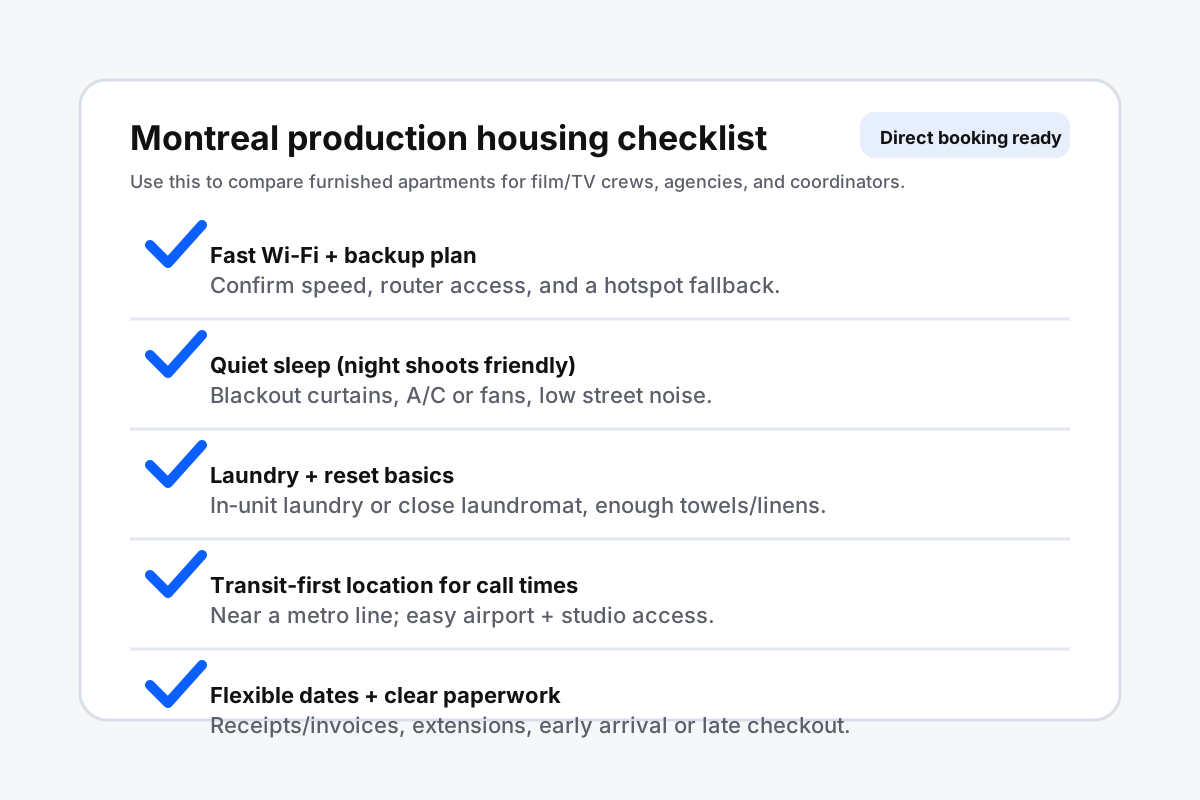
Connectivity
- Wi‑Fi speed suitable for uploads, calls, and dailies review
- Router access (in case you need to reboot quickly)
- Backup plan for outages (hotspot, nearby workspace)
Sleep protection
- Quiet hours + building rules that support rest
- Blackout curtains or strong blinds for day sleep
- A/C or fans (summer) and predictable heat (winter)
Laundry + reset
- Inunit laundry (ideal) or a close laundromat
- Enough towels/linens for longer stays
- A kitchen that supports a basic routine (coffee + simple meals)
Arrivals + schedule changes
- Self check‑in for late arrivals
- Extension policy if your shoot runs long
- Clear early check‑in / late checkout options
Night shoots, early calls, and sleep protection
For production, the biggest hidden cost is bad sleep. A few practical moves:
- Choose quiet streets when possible, and avoid units directly over bars or hightraffic corners.
- Plan a daysleep kit: eye mask, earplugs, white noise.
- Keep a fallback food plan for late returns (groceries + simple reheat options).
Helpful: Quiet sleep checklist and latenight groceries & dpanneurs.
Paperwork: receipts, invoices, and deposits
If youre booking for a production company, confirm these items early:
- Invoice/receipt availability (and what details will appear)
- Deposit / preauthorization amount and release timeline
- Who the booking is under (company vs individual) and the check‑in name list
Related: credit card preauthorization holds guide.
Why book direct for production stays
Direct booking can be a better fit for production housing because it often makes it easier to:
- Coordinate multiple arrivals and changes
- Request extensions without rebooking a new listing
- Get clear communication on building rules and quietsleep expectations
Need a simple starting point? Start with dates and a metro‑first base, then refine once you know call times.
Related posts
FAQ
What is production housing in Montreal?
Production housing usually refers to furnished apartments rented shortterm for film/TV crews and production teams. The priority is stable sleep, laundry, and easy transitnot tourist proximity.
How long do production stays usually last?
It depends on the project, but common blocks are 12 weeks for commercials and 412+ weeks for longer shoots. Choose housing that can handle extensions if schedules change.
What should we confirm before booking housing for a crew?
Confirm Wi‑Fi quality, quiet sleep conditions (blackout curtains, A/C/fans), laundry, self check‑in, and paperwork (receipts/invoices). For multiple people, also confirm who can access the unit and how keys are handled.
Is it better to stay downtown for production work?
Downtown is a strong default because it simplifies metro connections and airport transfers. But the best base is the one that protects sleep and keeps call times predictableeven if its slightly outside downtown.
How do we book direct?
Start by checking dates and availability, then choose a metro‑first base. If you need multiple units or flexible extensions, direct communication can help you match the stay to your schedule.