Table of contents
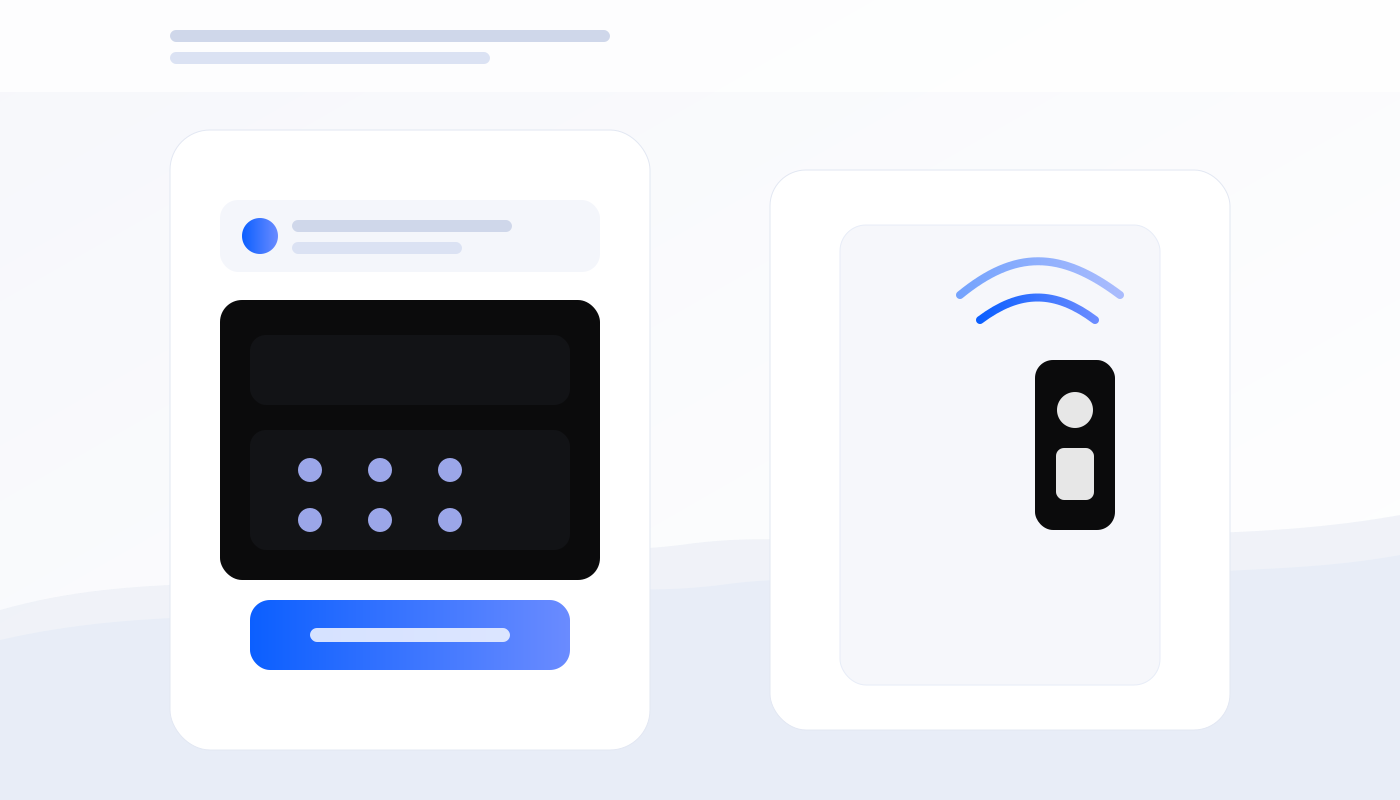
What “self check‑in” means in Montreal (common setups)
1) Smart lock (code on the door)
Most straightforward. You receive a code, enter it on the keypad, and you’re in. Confirm whether there’s one code for the whole stay or time‑limited access.
2) Lockbox (key in a box)
Common in buildings where a smart lock isn’t possible. Make sure you know exactly where the lockbox is and whether it’s outdoors (weather/ice can matter in winter).
3) Concierge / doorman handoff
In some downtown condos, you may pick up keys at a desk or follow building entry rules. Ask about hours and what happens if you arrive late.
4) Hybrid (two-step entry)
Some buildings require two steps: building entry (buzz code / fob) and unit entry (smart lock/key). You want instructions for both.
Small but important Montreal detail: Many entrances have two doors (outer building door + unit door). If the instructions only mention one, ask for clarification.
Late arrivals: what to confirm
- 24/7 access Can you enter anytime after check‑in time, or is there a cutoff?
- Quiet hours How do you enter without disturbing neighbors (especially in older walk‑ups)?
- Support If your code fails or you’re at the wrong door, who answers—and how fast?
If you’re landing at YUL late, see: Montreal airport to downtown guide (timing, 747 bus, taxis/rideshare).
Self check‑in checklist (copy/paste questions)
Use this list when comparing furnished apartments, condos, or short‑term rentals in Montreal:
- Entry method: Smart lock, lockbox, concierge, or other?
- Two-step entry: Do I need a building code/fob and a unit code/key?
- Exact door: Can you share a photo or description of the entrance (street name, lobby door, unit door)?
- Timing: What’s the earliest check‑in time? Is entry available 24/7 after that?
- Backup plan: What happens if the code doesn’t work or the battery is low?
- Connectivity: Do I need mobile data (app-based smart lock) or can I enter offline?
- Parking/arrival: If I’m driving, where do I stop briefly to unload without blocking traffic?
- Support contact: Who do I contact if I’m stuck—phone number + hours?
Prefer the simplest option: A professional operator with a clear self check‑in flow + fast support usually means less stress—especially for late arrivals.
How to make self check‑in smooth (5-minute plan)
- Screenshot the instructions before you land (in case reception is weak in the metro or lobby).
- Save the address + unit number in one note (don’t search through messages at the door).
- Arrive with power: a low phone battery is the #1 preventable problem.
- Do a fast “amenities check” after entry (Wi‑Fi, heat/AC settings, kitchen basics). See: Montreal short‑term rental amenities checklist.
If you’re planning a longer stay, these details matter even more: Monthly furnished apartment checklist.
Related posts
- Luggage storage in Montreal (arrival day logistics)
- Is Montreal safe for tourists? (practical tips)
- Quiet sleep in Montreal (noise checklist)
FAQ
Is self check‑in common for Montreal short‑term rentals?
Yes. Many furnished apartments and condos use smart locks or lockboxes. The important part is getting clear, step‑by‑step instructions for building entry and unit entry, plus a backup plan.
What if my door code doesn’t work?
First, confirm you’re at the correct door (building vs unit). Then try again slowly (some keypads time out). A professionally managed stay should provide a backup access method or quick support contact to resolve it.
Do I need internet to use a smart lock?
Not always. Many keypad locks work offline with a code. If the lock requires an app/Bluetooth, ask whether you can enter without mobile data and what the fallback is if your phone is dead.
Can I check in late at night?
Often, yes—especially with a keypad smart lock. Still, confirm whether the building has quiet‑hour rules, concierge hours, or any late‑arrival cutoff.
Is self check‑in safer than meeting someone in person?
It can be. What matters is clear instructions, legit building access, and responsive support. For peace of mind, book with an operator that provides professional communication and a direct booking channel.