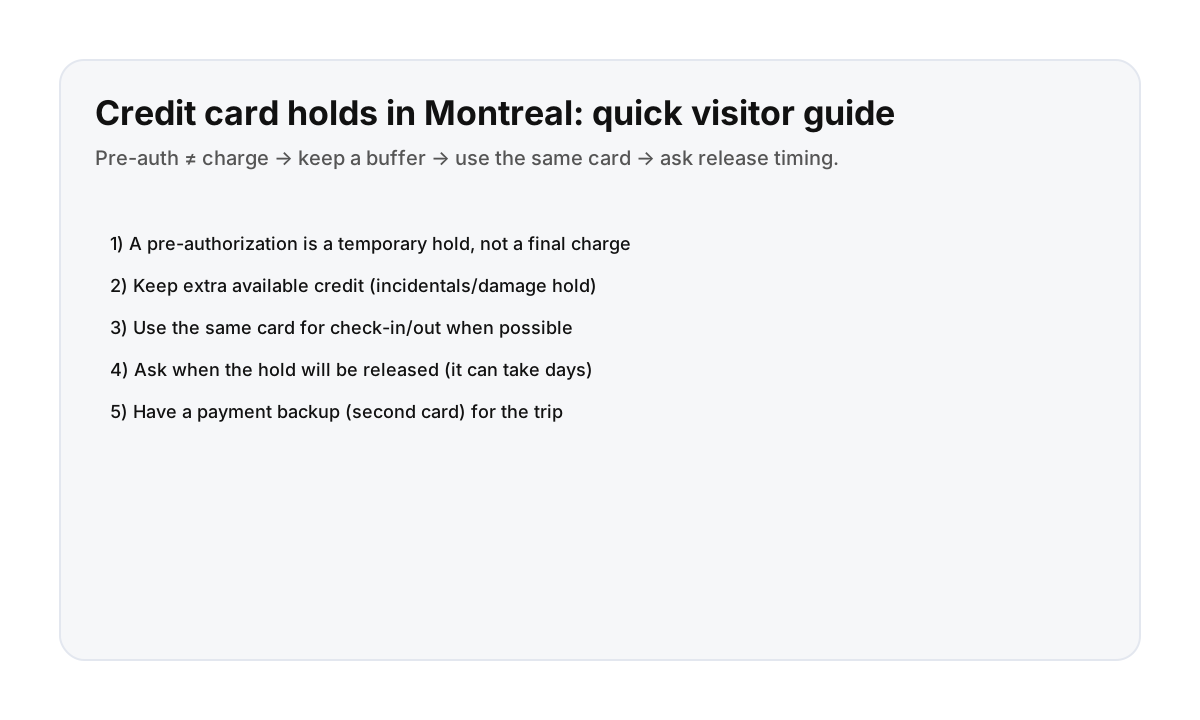

A simple pre-auth plan (so your trip stays easy)
- Assume a hold may happen at check-in (hotels and some short-term stays).
- Keep a buffer on your card’s available credit for the hold + your daily spending.
- Use the same card for check-in/out when possible (simplifies release and accounting).
- Ask release timing: “When is the pre-auth released?” (banks can take days).
- Carry a backup: a second card or a reliable alternative payment method.
This is practical travel guidance, not financial advice. Exact policies vary by property and by bank.
Pre‑authorization vs charge (the key difference)
- Pre‑auth hold: temporarily reduces your available credit.
- Charge: posts as a completed transaction.
If you see a “pending” amount, it’s often the hold—your bank will finalize or release it later.
How long does a pre‑auth hold last?
It depends on the property and your bank. Some releases are quick; others can take several business days. If you’re doing back‑to‑back hotels, holds can stack—so keep extra available credit.
Payment backups that save a day
Visitors get stuck when one card is held/limited and everything else is on the same account. A second payment option keeps your trip smooth.
Direct booking reduces payment surprises
Clear policies and predictable check‑in are part of what makes a stay feel low-stress—especially when you’re arriving late or managing multiple reservations.
FAQ
What is a credit card pre‑authorization hold?
It’s a temporary hold that reduces your available credit, often used for incidentals or damage/security deposits. It’s not a final charge unless the transaction is later completed.
How long do pre‑auth holds take to release?
It varies by property and bank. Some release quickly; others take several business days. Ask the property about timing and keep extra available credit.
What’s the easiest way to avoid payment stress?
Keep a buffer on your card, use the same card for check-in/out when possible, and carry a backup payment method.