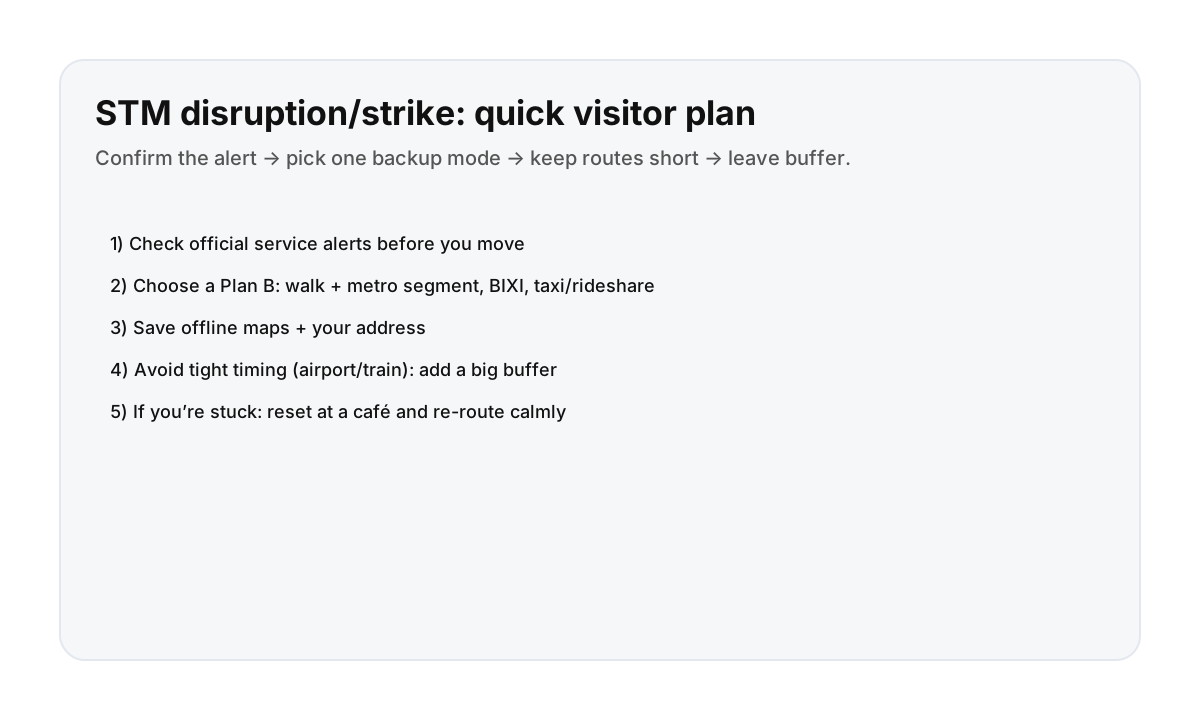

Step 1: confirm what’s actually happening
- Check official STM service alerts and the specific line(s) you need.
- Assume things may change during the day—re-check before you leave.
Step 2: choose one Plan B (keep it simple)
- Walk + short metro segment: reduces dependency on transfers.
- BIXI: great for medium distances if weather is decent.
- Taxi/rideshare: best when timing matters (bags, airport, early morning).
Step 3: make your phone resilient
- Save your address + destination address in Notes.
- Download offline maps for the neighborhoods you’ll use.
- Keep a battery backup if you have one.
Airport/train days: add buffer time (more than you think)
Service disruptions compress the city’s capacity. The safest move is to leave early and use a more direct mode.
If you get stuck: reset, then re-route
When plans collapse, the best move is to reset somewhere indoors (café/hotel lobby), charge a bit, and build a new plan from one anchor point.
Direct booking makes disruptions easier
When transit is messy, being able to ask a quick local question (pickup points, timing, neighborhood options) makes the day smoother.
FAQ
How do I know if the Montreal metro/bus is affected?
Check STM service alerts for the specific lines you need, and re-check before leaving because schedules can change during disruptions.
What’s the best Plan B if I’m on a tight schedule?
Use the most direct option available (often taxi/rideshare) and leave early. Avoid multiple transfers and add buffer time.
Is BIXI a good backup during disruptions?
Yes for medium distances in decent weather. Keep routes simple and avoid time-critical trips if conditions are poor.