Table of contents

What “construction season” means in Montreal
Montreal has year‑round work, but the busiest stretch is usually spring through fall. For visitors, the impact is less about one big closure and more about small daily changes: a sidewalk moved, a lane removed, a parking ban posted for tomorrow morning.
Detours
One‑way changes, blocked turns, and “local access only” zones can add 10–25 minutes fast.
Noise
Early start times are common. Street‑facing rooms feel it first.
Parking restrictions
Temporary no‑parking signs can pop up overnight. Re-check before you commit.
Pedestrian detours
Sidewalk closures can make “5 minutes away” feel longer—especially with luggage.
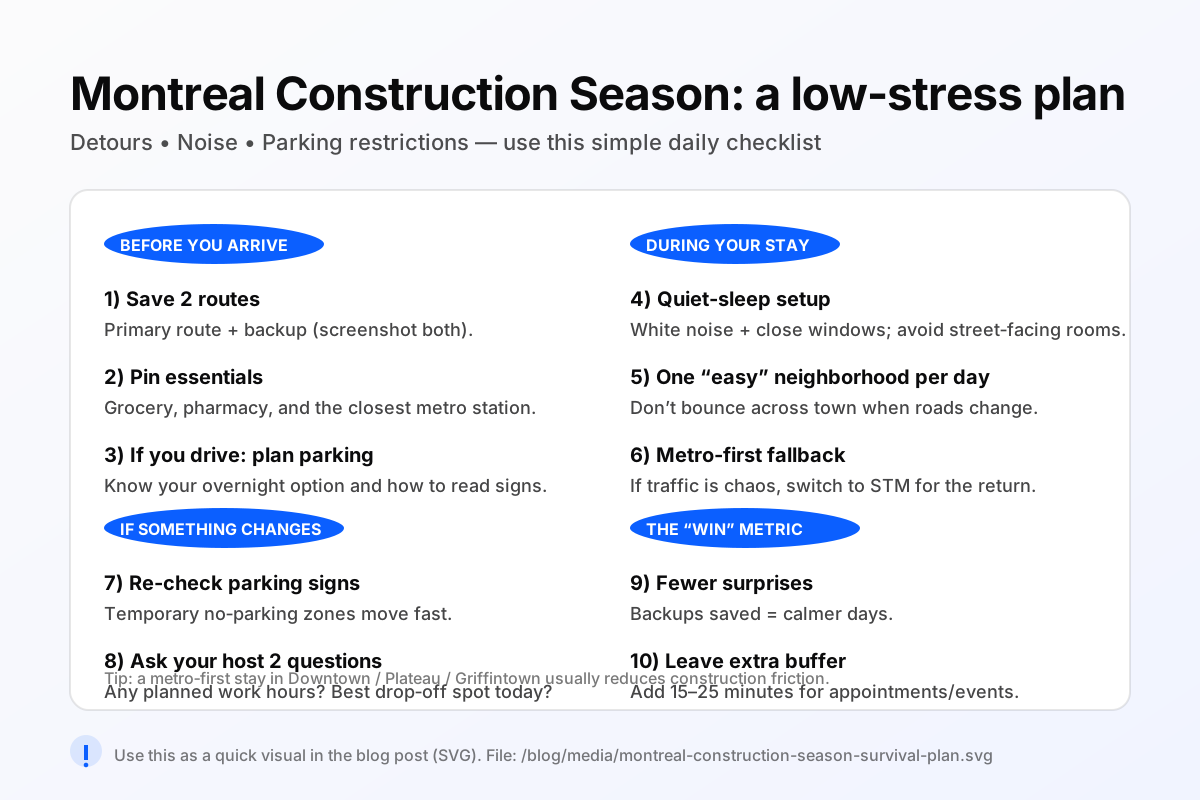
The simple survival plan (before + during your stay)
Before you arrive (10 minutes)
- Save 2 routes: your normal route plus a backup. Screenshot both.
- Pin essentials near your stay: grocery + pharmacy + nearest metro.
- Add time buffer: for appointments/events, bake in 15–25 minutes extra.
- If you drive: decide your overnight parking plan before you arrive.
During your stay (daily habit)
- Re-check the day’s first route before you leave (especially mornings).
- Pick one “easy” base neighborhood per day (less cross‑town friction).
- Use a metro-first return when traffic becomes unpredictable.
- Re-check parking signs before you leave the car overnight.
Noise: how to protect sleep in a short‑term rental
- Close windows early and use a fan/AC/white-noise app if you have one.
- Choose a calmer bedroom orientation when possible (courtyard/back‑of‑building).
- Have a “backup” bedtime routine: earplugs + an earlier wind‑down if mornings are loud.
Parking: how to avoid tickets and tows
If you’re driving, construction-season parking is where most visitors lose time (and money). The simplest rule: treat parking signs like a checklist—read them fully and re-check them before the overnight stretch.
- Re-check signs every time you move (different blocks, different rules).
- Look for temporary restrictions posted for work windows.
- Don’t assume “it was fine yesterday”—changes happen fast.
Detours: keep your days predictable
Two practical habits help the most:
- Morning check: confirm your first route before you commit (airport pickup, appointments, day trips).
- Evening return plan: save a metro/bus fallback for late returns so you’re not negotiating detours when you’re tired.
What to ask before you book (fast checklist)
For construction season, these questions reduce surprises the most:
- Is the bedroom street-facing or courtyard-facing?
- Is there any planned building work (elevator, facade, roof) during my dates?
- What’s the easiest drop‑off point for ride share/taxi with possible closures?
- If I’m driving: what’s the recommended overnight parking plan?
Related posts
FAQ
When is construction season in Montreal?
The busiest period is typically spring through fall, with day-to-day work continuing in many areas year‑round.
What’s the #1 thing to do to avoid construction stress?
Save a backup route (and screenshot it). It prevents “I didn’t know this turn was closed” moments.
How do I avoid parking tickets during road work?
Read every sign on the block and re-check before leaving the car overnight. Temporary no‑parking notices can appear quickly.
What if construction noise starts early?
Close windows, use white noise, and prefer a courtyard/back‑facing bedroom when possible. See the quiet sleep checklist.
Is it better to stay car-free in Montreal during construction season?
Often, yes. A metro‑first stay can make returns more predictable when roads change.