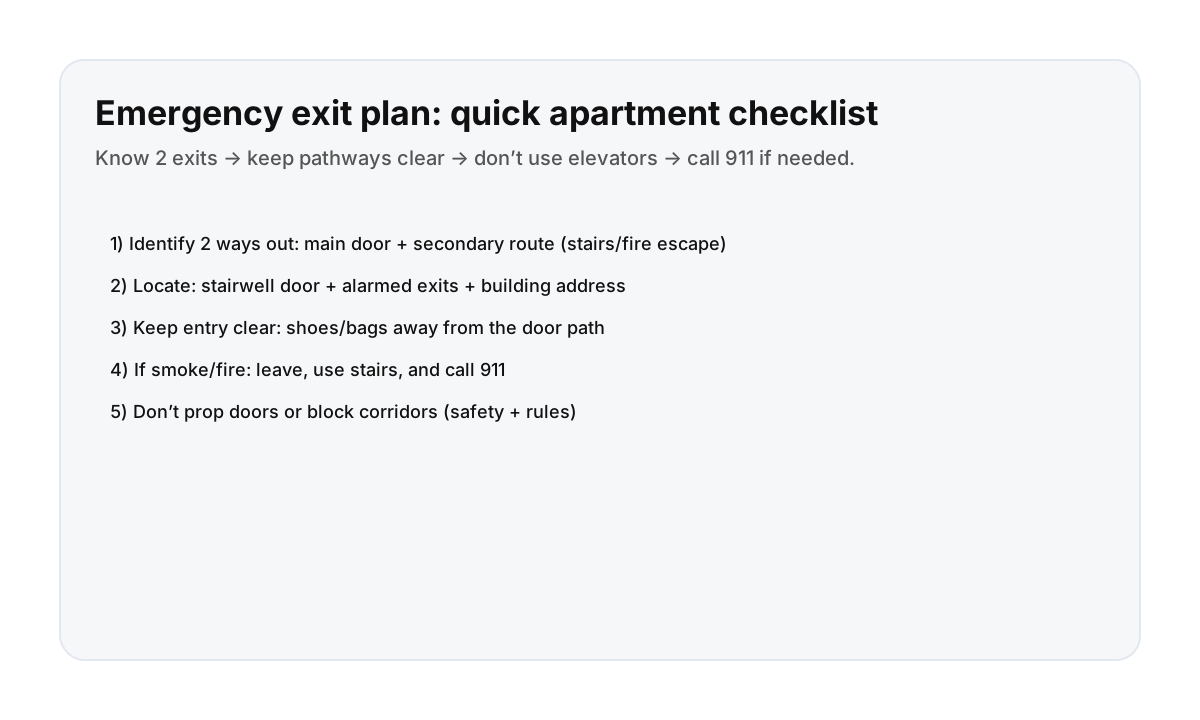

The 2-exit plan (do this once on day 1)
- Exit #1: your normal route (front door → hallway → stairs/exit).
- Exit #2: identify a second route (alternate stairs, emergency exit door, or fire escape path if the building uses one).
- Locate the stairwell: find the door and make sure you can open it easily.
- Save the address offline: copy your building address into Notes for quick 911 calls.
- Keep pathways clear: don’t pile shoes/bags in the entry corridor.
Visitor guidance only. Follow any building instructions posted on your floor.
Fire and smoke basics (what actually matters)
- If you see smoke/fire: leave and use stairs (not elevators).
- If a hallway is smoky, don’t push through—use your second route if safe and available.
- Once safe, call 911 and give your address clearly.
What NOT to do (common visitor mistakes)
- Don’t prop building doors open.
- Don’t block corridors with luggage or strollers.
- Don’t assume you’ll “figure it out” during an alarm—make the 2-exit plan first.
Direct booking makes safety logistics simpler
Clear entry instructions and fast support matter in any “unexpected” moment. Direct booking helps keep communication straightforward.
FAQ
Do Montreal apartments have fire escapes?
Some do, but many rely on interior stairwells and emergency exits. The practical move is to identify two exits for your specific building on day one.
Should I use the elevator during a fire alarm?
No. Use stairs during fires or smoke conditions.
What should I do if the hallway is smoky?
Don’t push through smoke. Use your second exit route if it’s safe and available, and call 911 once you’re in a safe place.