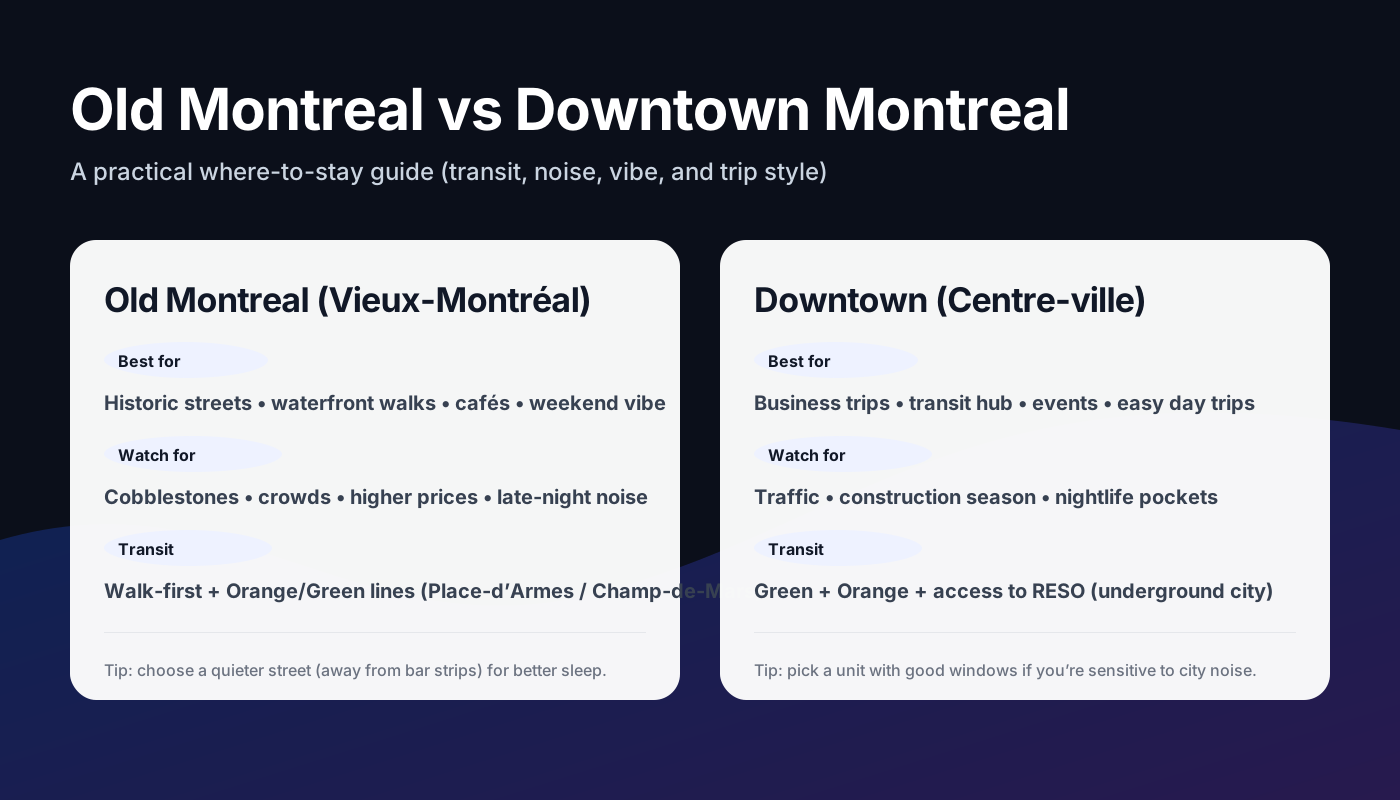
How to choose in 60 seconds
Pick Old Montreal if you want…
- Historic streets, museums, cafés, and Old Port walks
- A short, walk-first stay (2–4 nights)
- That “storybook Montreal” feeling right outside your door
Pick Downtown if you want…
- Fast access to multiple metro lines and easy transfers
- Events, business travel, and a central base for day trips
- A practical “hub” location where you can do a little of everything

Old Montreal (Vieux‑Montréal): best for + tradeoffs
Old Montreal is the postcard version of the city: cobblestones, stone buildings, and quick access to the Old Port. It’s ideal when you want to spend most of your time nearby—and you’re happy walking a lot.
Old Montreal is best for
- Old Port days (waterfront promenades, seasonal activities)
- Food + museums + romantic weekends
- Trips where your “radius” stays tight
Old Montreal tradeoffs
- Noise: busier on weekends near nightlife strips
- Mobility: uneven sidewalks/cobblestones (strollers, rolling luggage)
- Transit: great access, but fewer “hub” transfers than Downtown
Downtown (Centre‑ville): best for + tradeoffs
Downtown is the easiest base if you want to mix neighborhoods, events, restaurants, and day trips without overthinking transit. It’s also the simplest choice for business travel.
Downtown is best for
- Festival weeks, sports, and packed itineraries
- Business travel + coworking routines
- Quick metro access in multiple directions
Downtown tradeoffs
- Traffic + construction season can impact certain blocks
- City feel over charm (less “old world,” more modern)
- Noise varies widely—choose your exact street carefully
Noise & sleep: a simple strategy
Rule of thumb: in both areas, the loudness is usually about the block, not the neighborhood name.
- Prefer a calmer side street over a main artery.
- If you’re sensitive, prioritize good windows and a bedroom set back from the street.
- On summer weekends, expect higher energy near patios in both Old Montreal and Downtown pockets.
Two easy mini-itineraries
1) Old Montreal weekend (walk-first)
- Morning: coffee + slow streets; start early to beat crowds.
- Midday: Old Port waterfront loop.
- Evening: dinner nearby; plan a short post-dinner walk.
2) Downtown “hub” trip (mix-and-match)
- Morning: grab breakfast, then metro to a specific neighborhood focus.
- Midday: museum or shopping; quick return for a reset.
- Evening: festival/event night—easy transit home.
Short-term rental booking checklist (Old Montreal or Downtown)
- Exact location: ask yourself “Will this street be loud at 11 pm?”
- Transit: confirm your closest metro stop for your plans.
- Arrival: plan for luggage + any stairs in older buildings.
- Stay length: Old Montreal is great for shorter stays; Downtown is great for longer hub stays.
FAQ
Is Old Montreal or Downtown better for first-time visitors?
Downtown is usually the easiest base for first-timers because it’s a transit hub. Old Montreal is fantastic if your goal is a short, walk-heavy weekend with the Old Port nearby.
Which area is quieter at night?
Both can be quiet or loud depending on the block. Old Montreal can be lively on weekend nights near patios; Downtown can be noisy near major roads and construction. Prioritize a calmer street and good windows.
Do I need a car in either area?
No—both areas work well without a car. Downtown has the simplest transfers; Old Montreal is very walkable with nearby Orange/Green line access.
How do I book directly with Signature Host?
Reserve here: https://explore.signaturehostmtl.ca/reserve