First: emergencies vs “I don’t feel great” (a calm decision point)
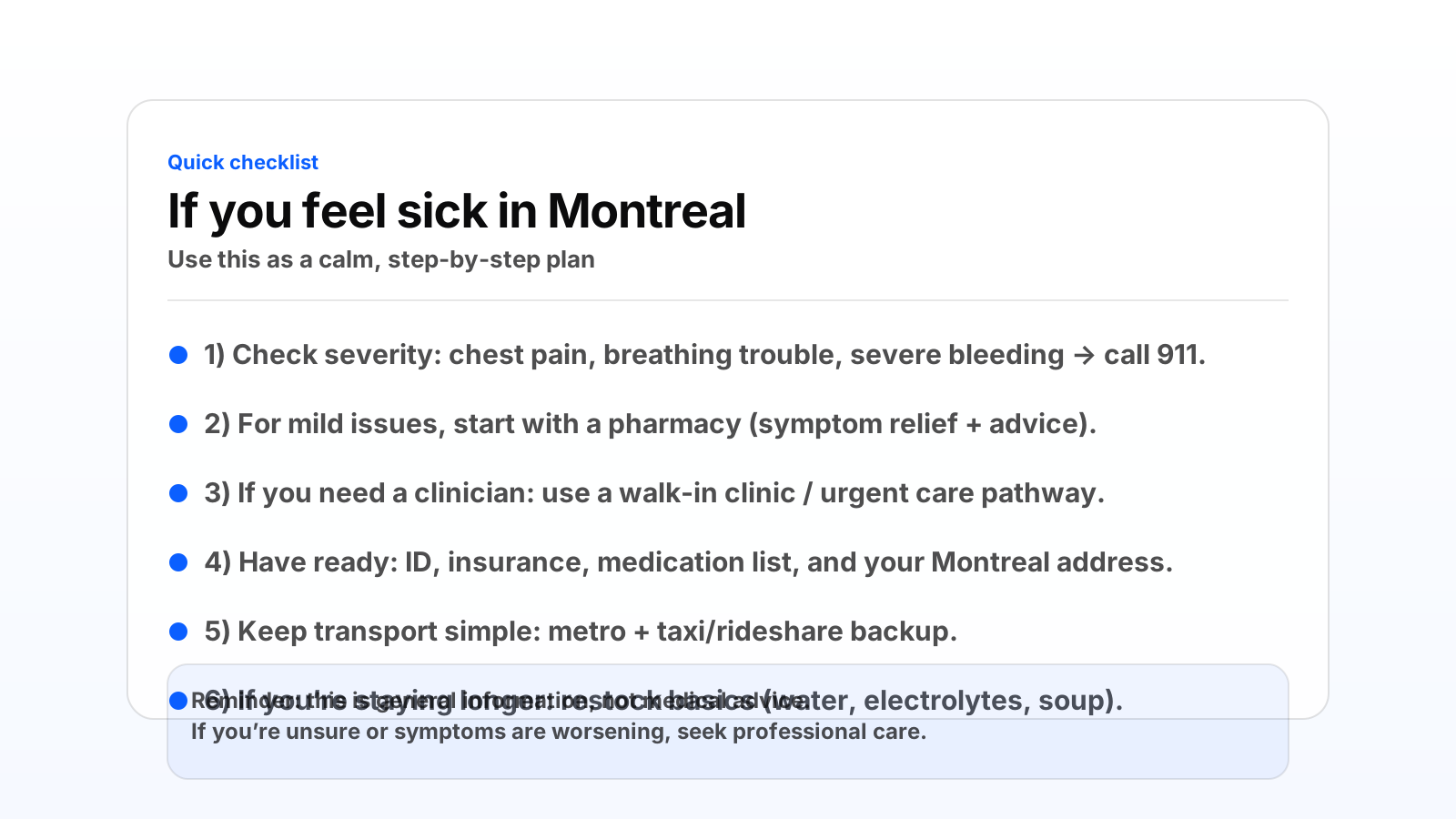
This guide is general information (not medical advice). If you have severe symptoms (for example: serious breathing trouble, chest pain, severe bleeding, loss of consciousness, signs of stroke), treat it as an emergency and call 911.
Step 1 (often fastest): start with a pharmacy
In Montreal, pharmacists can be a practical first stop for common travel issues (minor cold symptoms, basic pain relief, allergy support, etc.). They can also tell you if you should seek a clinic evaluation.
- Go early if you can (queues build later in the day).
- Bring your medication list (name + dose), especially if you’re traveling from outside Canada.
- Ask about language if you’re more comfortable in English—many locations can help.
Step 2: when to look for a walk‑in clinic / urgent care pathway
If symptoms are worsening, lasting, or you need a clinician to evaluate you, you may need a walk‑in clinic (or an urgent care style service depending on where you go). The simplest travel approach is:
- Keep your base central so you can reach care without long transfers.
- Use metro first, taxi/rideshare second (especially if you’re weak or carrying bags).
- Expect triage: more urgent cases are seen first.
What to have ready (saves time)
- ID (passport or government ID).
- Insurance info (travel insurance, private insurance details, or documentation you have).
- Medication list (including allergies).
- Your Montreal address (where you’re staying) + an emergency contact.
Where to stay for the easiest healthcare logistics (short‑term rental strategy)
You don’t want a complicated cross-city trip when you feel unwell. For most visitors, these bases keep things simple:
- Downtown: easiest overall access to clinics, pharmacies, and fast transport options.
- Old Montreal edge: walkable for basics, still close to metro connections.
- Plateau south / Mile End edge: great neighborhood feel with straightforward routes back downtown.
Quick checklist: what to do if you get sick during your stay
Direct-booking CTA
If you want a central base that keeps “what if something happens?” logistics simple, book direct and choose the dates and location that fit your plan.
Related reads
FAQ
What should I do first if I feel sick in Montreal as a visitor?
If symptoms are severe, call 911. If symptoms are mild, start with a pharmacy for guidance and symptom relief; then use a walk-in clinic / urgent care pathway if you need a clinician evaluation.
What documents should I bring to a clinic in Montreal?
Bring ID (passport/government ID), any insurance documentation you have, a medication list (including allergies), and the address where you’re staying in Montreal.
Where should I stay in Montreal to keep healthcare logistics easy?
Downtown, the Old Montreal edge, or Plateau south are practical bases with quick access to pharmacies, clinics, and simple transport options.