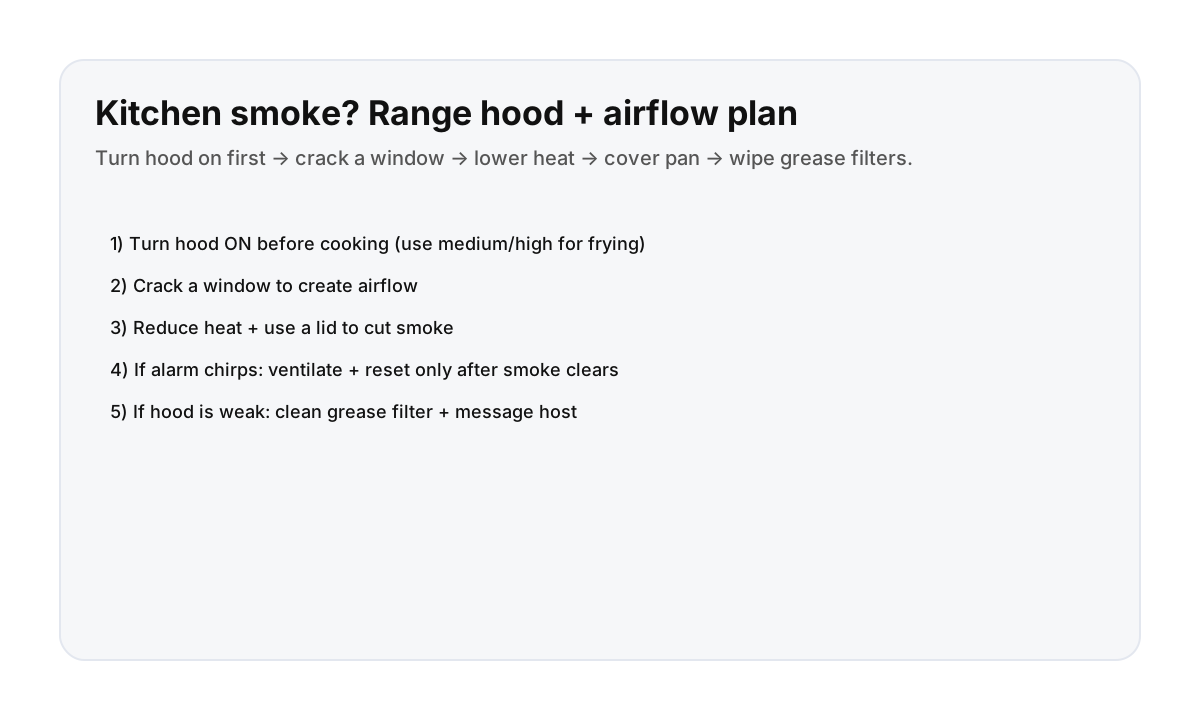

Quick steps to reduce cooking smoke (works in most rentals)
- Turn the hood on first (start with medium; use high for frying or searing).
- Crack a window (even 2–5 cm helps) to create a path for air to move.
- Lower heat and cover the pan briefly if oil starts smoking.
- Use the back burners if possible (often captures smoke better under the hood).
- Ventilate after cooking for 5–10 minutes so smells don’t linger.
Why the hood feels “weak” in some Montreal apartments
- Grease filter clogged: airflow drops fast when filters are greasy.
- Recirculating hood: some units filter and blow air back into the kitchen (less effective than vented outside).
- Makeup air: without a cracked window, the fan may have little fresh air to pull.
Visitor rule: don’t disassemble anything beyond an obvious, removable metal filter—message your host if you’re unsure.
If the smoke alarm goes off while you’re cooking
- Turn off heat and move the pan off the burner.
- Turn hood to high and open a window/door to ventilate.
- Only reset/silence the alarm after smoke clears.
Simple filter cleaning (if it’s clearly removable)
- Many hoods have a metal mesh filter that pops out.
- If it’s greasy: soak in hot soapy water and rinse (let it dry fully).
- If you’re not sure how it comes out, don’t force it—message your host.
Direct booking helps with quick “apartment basics” support
If the hood isn’t working well or an alarm keeps triggering, fast support matters. Direct booking keeps communication simple and responsive.
FAQ
Should I turn the range hood on before cooking?
Yes. Turning it on first helps establish airflow so smoke and steam get captured early.
Why does cracking a window help so much?
It provides “makeup air” so the fan can actually move air out (or through the filter) instead of stalling.
What if the hood recirculates air back into the kitchen?
Use a window crack + lower heat + lids more aggressively. Recirculating hoods reduce odor/grease but won’t remove steam as well as vented hoods.