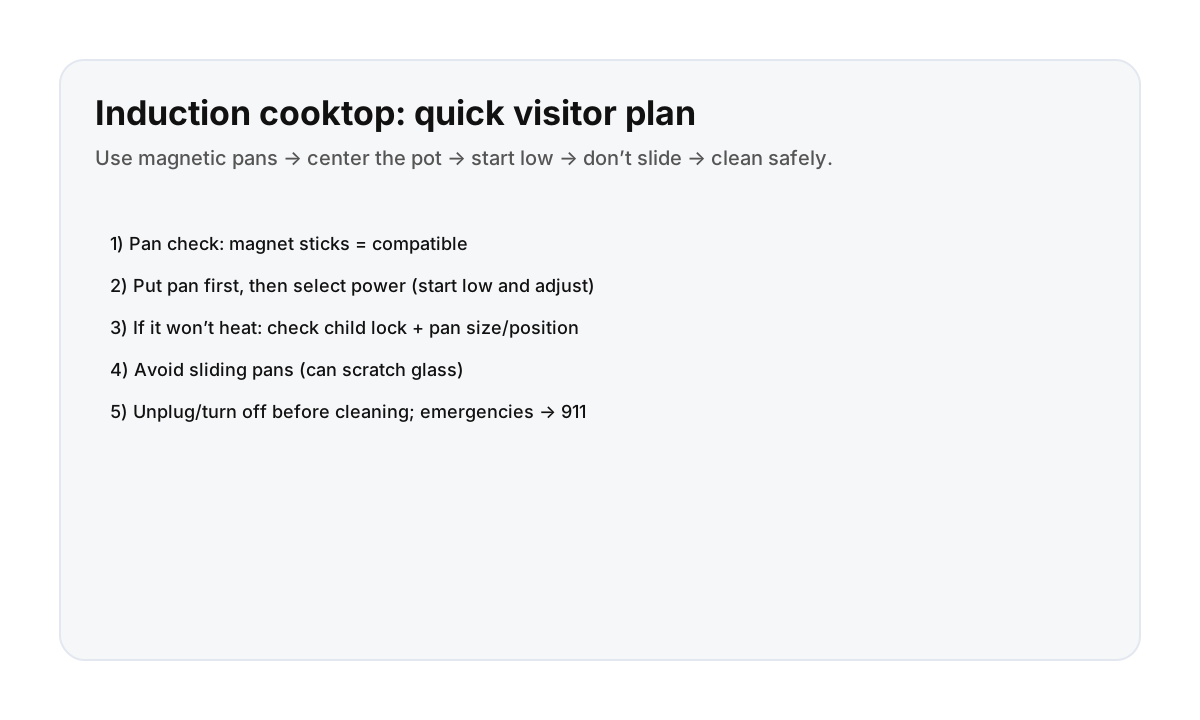

Step-by-step: the simplest way to cook on induction
- Check the pan: magnet sticks to the bottom = likely compatible.
- Place the pan first (centered on the circle).
- Select power: start low, then increase gradually.
- Cook normally: induction reacts quickly—small adjustments matter.
- Turn off when done, and let the surface cool before wiping.
Visitor guidance only—follow any appliance label instructions if present.
If it won’t heat (fast troubleshooting)
- Pan incompatible: try a different pot/pan (magnet test).
- Pan too small/off-center: center it; use the right burner size.
- Child lock: some cooktops require holding a lock icon for a few seconds.
- No power: check if other outlets work; if a circuit tripped, reset the breaker.
How to avoid scratches and “mystery marks”
- Don’t slide pans—lift them.
- Wipe crumbs before cooking (salt/sugar can scratch under a pan).
- Use a soft sponge when cleaning (no harsh scouring pads).
Quick meal planning for short stays
Induction is great for fast basics: pasta, eggs, simple soups, and a “grocery reset” meal when you arrive.
Direct booking makes “apartment basics” easier
When something in a kitchen is unfamiliar, clear instructions and fast support matter. Direct booking keeps help simple and responsive.
FAQ
How do I know if my cookware works on induction?
Use the magnet test: if a magnet sticks to the bottom of the pan, it’s usually induction-compatible.
Why does the induction cooktop beep and shut off?
Often it can’t detect a compatible pan (or the pan is off-center/too small), or a lock setting is enabled. Re-center the pan and check the lock icon.
Is induction safer than electric?
Induction heats the pan directly and can cool faster than traditional electric coils, but the surface can still be hot—treat it as hot and be careful.