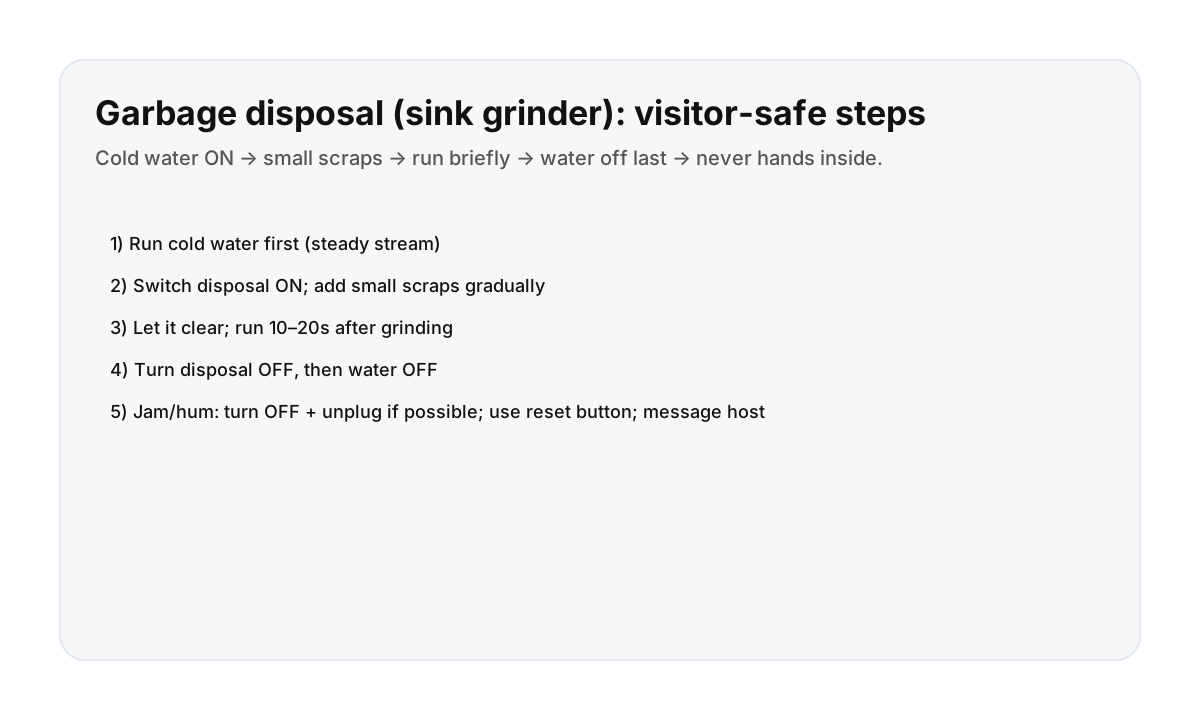

Visitor-safe steps (the simple routine)
- Turn on cold water (steady stream).
- Switch the disposal ON.
- Add small scraps gradually (not a whole plate at once).
- When it sounds clear, keep water running 10–20 seconds.
- Switch disposal OFF, then turn water OFF.
What’s usually OK vs what to avoid
Usually OK (small amounts)
- Soft food scraps
- Small bits of cooked vegetables
Avoid (common jam/pipe problems)
- Grease/oil (solidifies in pipes)
- Fibrous foods (celery, corn husks)
- Starchy foods (potato peels, pasta/rice)
- Hard items (bones, pits)
- Coffee grounds (can build up like sludge)
If it hums, jams, or won’t turn on
- Turn it OFF (switch) and stop running it.
- If there’s a wall switch, flip it off. If you can safely unplug it, unplug it.
- Look underneath for a small RESET button (often red) and press it once.
- Try again with cold water. If it still hums, stop and message your host.
Avoid DIY “tools down the disposal” unless your host specifically instructs you.
Direct booking makes small fixes easy
If a disposal is confusing or you’re unsure what it can handle, a quick message can prevent a bigger plumbing issue.
FAQ
Should I run hot or cold water with a garbage disposal?
Cold water is safest. It helps keep fats more solid so they’re less likely to coat pipes.
Why is the disposal humming?
It’s likely jammed. Turn it off, press the reset button, and message your host if it doesn’t clear.
Can I put coffee grounds down the disposal?
It’s best to avoid it—grounds can build up in the disposal and plumbing. Put grounds in the trash/compost if available.