
Step-by-step: the simplest dishwasher routine
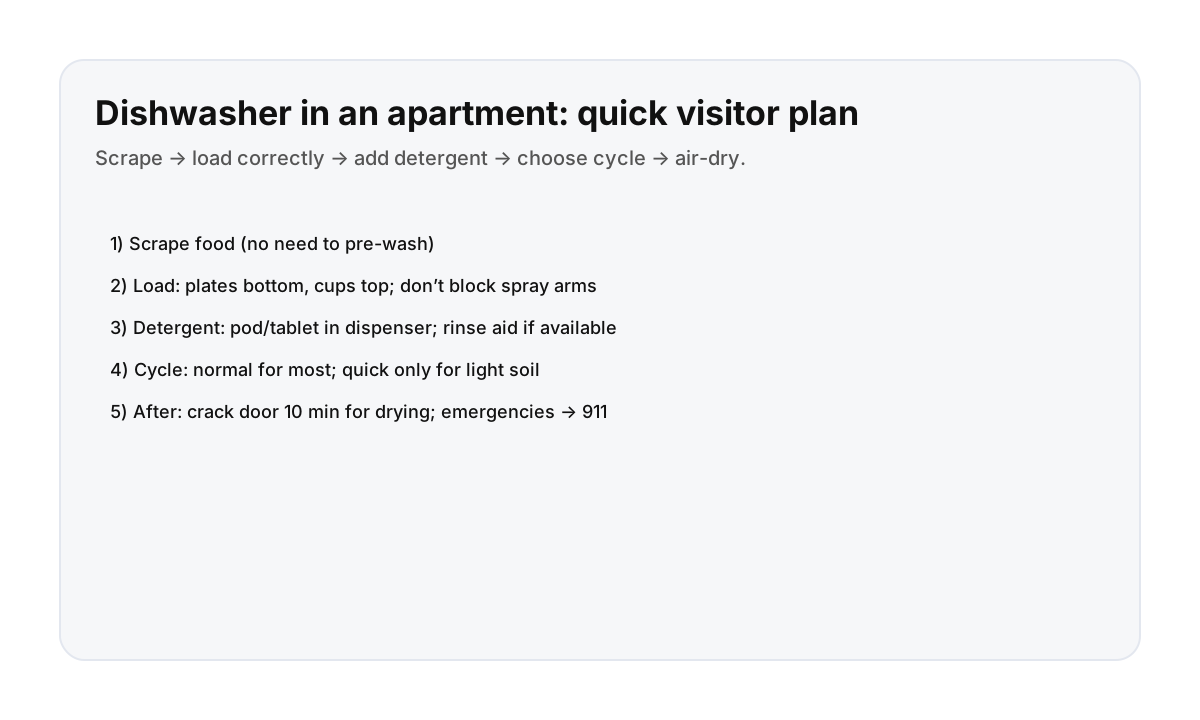
- Scrape food into the trash/compost (no need to pre-wash).
- Load bottom rack: plates, bowls, pots—angled so water can hit surfaces.
- Load top rack: cups, glasses, small bowls—open side down.
- Check spray arms: spin them by hand to ensure nothing blocks movement.
- Add detergent: pod/tablet in the dispenser; close it.
- Choose cycle: Normal for most; Quick only for lightly soiled dishes.
- Drying: crack the door after the cycle for 10 minutes.
Visitor guidance only—follow any host instructions for your specific machine.
Detergent + rinse aid (what matters)
- Use dishwasher detergent (pods/tablets/gel)—not dish soap.
- If there’s a rinse-aid reservoir and it’s empty, drying may be worse (especially on plastics).
Common problems (fast fixes)
Dishes not clean
- Re-load to avoid blocking spray arms.
- Don’t nest bowls/spoons together.
- Use Normal (Quick often isn’t enough).
Bad smell
- Run a hot cycle with the dishwasher empty.
- Don’t leave food scrap piles in the bottom of the machine.
Water left at the bottom
- Stop and message your host (don’t attempt invasive repairs).
Direct booking helps when apartment basics need support
If an appliance isn’t behaving (dishwasher, Wi‑Fi, hot water), quick support makes the stay smoother.
FAQ
Do I need to rinse dishes before the dishwasher?
No—scrape food off, but pre-washing usually isn’t necessary. Correct loading and the Normal cycle do most of the work.
Where does the detergent pod go?
Put it in the detergent dispenser (the small lidded compartment), not loose in the bottom—unless your host specifically instructs otherwise.
Why are my dishes still wet?
Plastics often stay wet. Cracking the door after the cycle helps, and a filled rinse-aid reservoir can improve drying.