Where to Stay Near Montreal Heart Institute: Best Areas + Easy Metro Plan
Category: Where to Stay & Neighborhoods
If you are visiting the Montreal Heart Institute, the simplest stay plan is usually transit-first: choose an area with direct Green Line options, keep your routine predictable, and stay close to groceries and pharmacies for low-stress days.
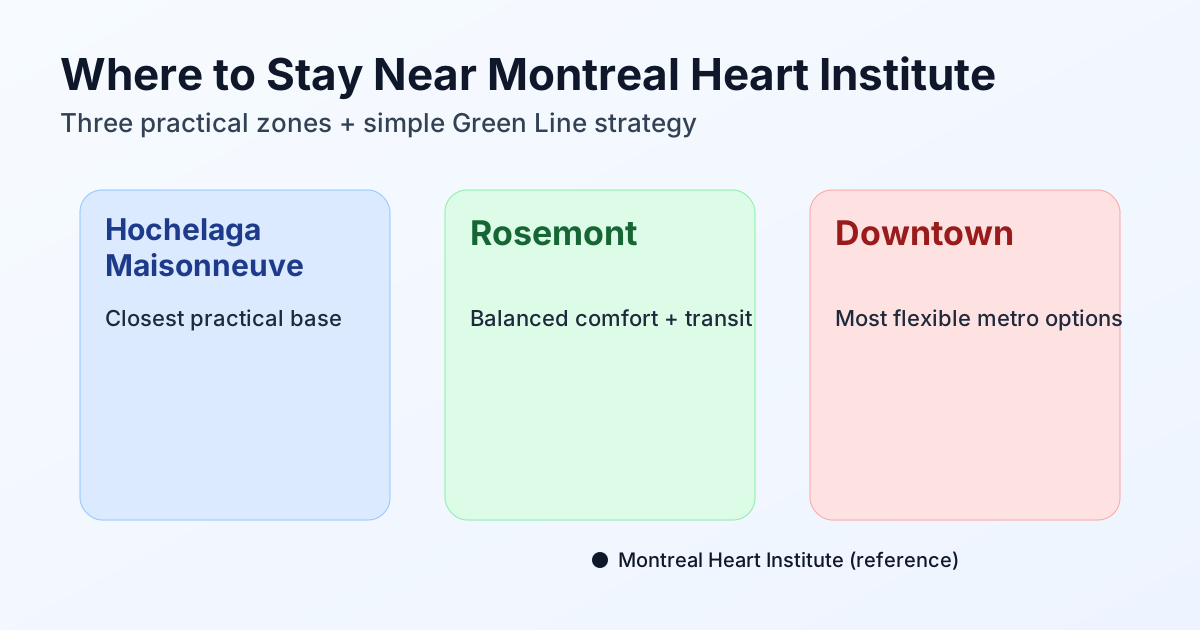
Best neighborhoods for Montreal Heart Institute visits
1) Hochelaga‑Maisonneuve (closest practical base)
Often the easiest choice if your trip is appointment-focused. You get shorter daily travel and quick access to essentials.
2) Rosemont (balanced comfort + transit)
Rosemont is useful for longer stays where you want quieter evenings while keeping metro access straightforward.
3) Downtown (maximum flexibility)
Downtown gives the broadest transit backup options, which helps if appointment times shift or family members are moving around separately.
Simple metro strategy for appointment days
- Pick one default route the night before your appointment.
- Add a 20–30 minute buffer during weekday rush hours.
- Keep one backup route (or taxi/rideshare) saved for weather disruptions.
Short-term rental checklist for low-stress medical visits
- Reliable Wi‑Fi for updates, forms, and calls.
- Quiet bedroom setup for recovery-quality sleep.
- Simple building entry (especially for early starts).
- Nearby pharmacy, grocery, and easy meal options.
Need a direct-booking option with professional support? Browse available furnished stays: https://explore.signaturehostmtl.ca/reserve.
Related Montreal guides
- Where to Stay Near Montreal Neurological Institute
- Where to Stay Near CHUM Hospital Montreal
- Montreal Metro (STM) Guide for Visitors
FAQ
What is the best area to stay near Montreal Heart Institute?
Hochelaga‑Maisonneuve is often the easiest practical base because it reduces daily travel time for appointment-focused stays.
Is Downtown Montreal still a good base for Heart Institute visits?
Yes. Downtown is a strong option when you want flexible transit backups, more dining options, and easy coordination for family members.
How much extra time should I plan for morning appointments?
A 20–30 minute buffer beyond map estimates is usually enough for weekday congestion and station transfers.