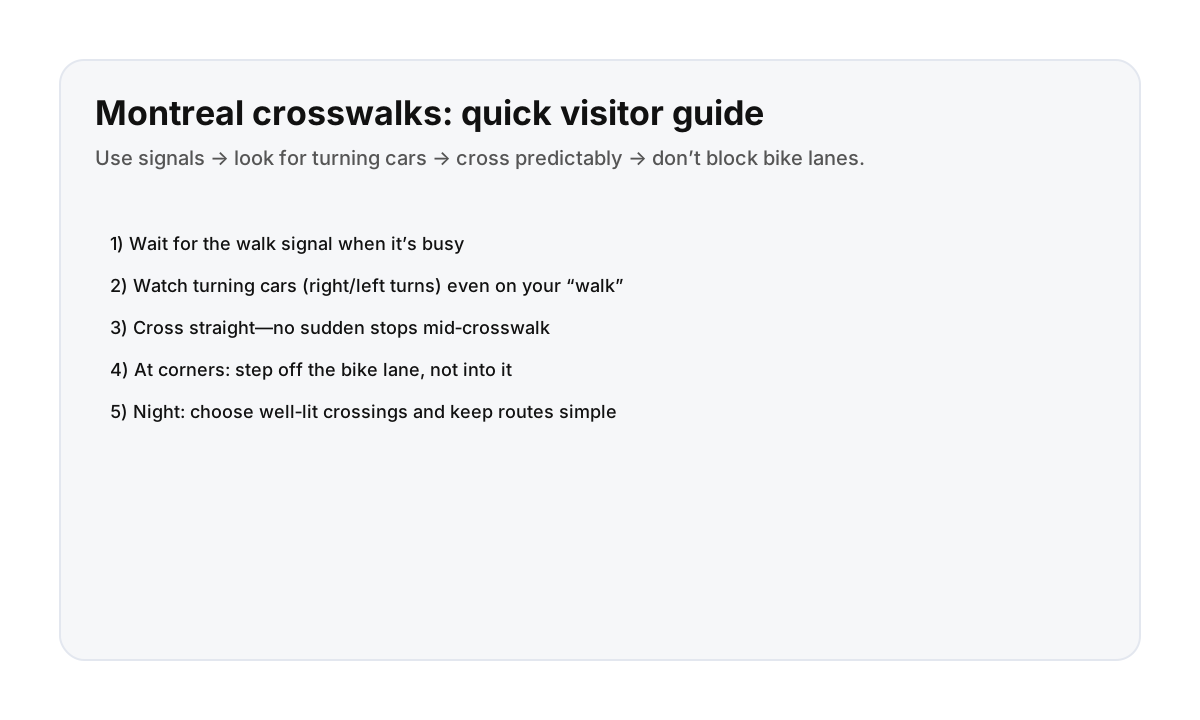

Crosswalk + pedestrian signal checklist (visitor-friendly)
1) Use signals when it’s busy
In high-traffic areas, wait for the walk signal. It reduces surprises and makes your crossing more predictable for drivers and cyclists.
2) Watch turning cars — even on your “walk”
The most common surprise is a car turning while pedestrians have a walk. Make eye contact when possible and don’t assume a driver saw you.
3) Cross predictably
- Cross straight (avoid diagonal wandering).
- Don’t stop mid-crosswalk to check your phone.
- If you’re with kids, hold hands before stepping off the curb.
4) Corners + bike lanes
Protected bike lanes often run right beside corners. If you need to pause, step fully onto the sidewalk—don’t stand in the bike lane.
5) Night crossings
At night, choose well-lit crossings, keep routes simple, and use transit for long hops instead of long walks across unfamiliar streets.
Related Montreal etiquette guides
Direct booking = less friction on foot
A well-located base means fewer long crossings, fewer rushed decisions, and easier “walk a little + metro a little” days.
FAQ
Do cars always stop for pedestrians in Montreal crosswalks?
Drivers are expected to yield, but it’s safest to stay predictable, use signals in busy areas, and watch turning cars before stepping into the crosswalk.
What’s the biggest crossing risk for visitors?
Turning vehicles during a walk signal and stepping into bike lanes at corners. Look twice and avoid pausing in the bike lane.
How should I cross at night?
Use well-lit crossings, keep routes simple, and consider metro or a short ride for longer distances instead of long late-night walks.